
Explore upcoming events from across the Foundation – See Calendar

O
X

About Us

About Us

Advancing cybersecurity awareness, education, and innovation for a safer digital world.

Our Team

Meet the leaders and visionaries driving the NCF's mission forward every day.

FAQs

Find quick answers about our mission, membership, and how to get involved.

Our History

From codebreakers to cyber defenders — preserving a legacy that shapes the future.

NCF Financial Data

Review audited reports and filings that reflect our commitment to transparency, accountability, and responsible stewardship.

Newsletter Archive

Browse past issues of our e-newsletter and explore our early years through issues of the Foundation’s original hard-copy newsletter, The Link.

Our Partnerships

Dedicated and talented organizations that have provided invaluable assistance to the NCF to help us achieve our goals. 

nav about us group of professionals in conversation

More Than a Mission — A Movement

The NCF brings together educators, experts, and enthusiasts who believe in building an informed, cyber-safe future.

Programs & Events

All Programs

Explore all of the NCF's programs driving cyber awareness, education, and history forward.

Escape Room

Hands-on puzzle challenge: crack codes, solve clues, experience real-time cryptologic logic.

Convening to Act

Catalyzing strategic dialogue on emerging cyber & cryptologic challenges in partnership with NSA.

Cocktails & Codebreakers

A celebratory evening honoring cryptologic legacy, networking, and thought leadership.

Crypto Cup

A signature fundraiser merging sport and mission — advancing cryptologic education through golf.

Cryptologic History Symposium

An academic event that explores the role of cryptology across eras and its lasting influence on security, strategy, and society.

Student Ambassador Program

Catalyzing strategic dialogue on emerging cyber & cryptologic challnges in partnership with NSA

Cyber Saturday

A full-day, interactive event for youth and families to explore cybersecurity through play.

Cyber Feud

A live, fast paced competition where students test cyber knowledge in game show format.

Maryland History Day

Highlighting student research on cryptology's impact across Maryland's past.

nav programs and events three students learning together

Events That Build a Cyber-Safe Future

The NCF programs spark growth, foster collaboration, and make cybersecurity a shared mission across generations and industries.

Resources

Podcast Series

Listen to #CyberChats and Cyber Pulse — the NCF's two podcasts exploring stories, insights, and innovations shaping cybersecurity.

Cyber Games

Engaging students through interactive challenges that build real-world cybersecurity skills and teamwork.

Downloads

Access classroom-ready lessons, tools, and activities to teach cryptology, cybersecurity, and digital citizenship.

Insights & Updates

Explore thought leadership, event recaps, and the latest news from the world of cryptology and cyber education.

Outsmart Cyberthreats Collections

Clear, engaging resources that build foundational cyber safety skills through activities and practical guidance.

Cybersecurity Curriculum Guidelines

Guidelines that support creating cybersecurity-focused lessons and inspire students to pursue cyber careers.

How to Be Cyber Safe + Savvy — A Data Care Booklet for Adults

Clear, practical steps to protect their devices, data, and privacy from today's online threats.

nav resources two young students learning on laptop

Empowering the Next Generation of Cyber Thinkers

Through resources, stories, and shared knowledge, the NCF helps educators, professionals, and students strengthen our cyber future together.

Cryptologic History

Trailblazers

Discover the pioneers who broke barriers and paved the way for future generations in cryptology.

Historical Figures in Cryptology

Meet the brilliant minds whose work in codes and communication shaped global history.

Cryptologic Bytes

Dive into quick reads and fascinating facts that reveal hidden history of code communication.

Commemorate

Honor the people and achievements that advanced the art and science of cryptology.

Acquisitions Archive

Explore rare artifacts, documents, and exhibits preserved to tell the evolving story of cryptology.

NSA/CSS Cryptologic Hall of Honor

Celebrate individuals whose exceptional contributions strengthened our nation's intelligence security.

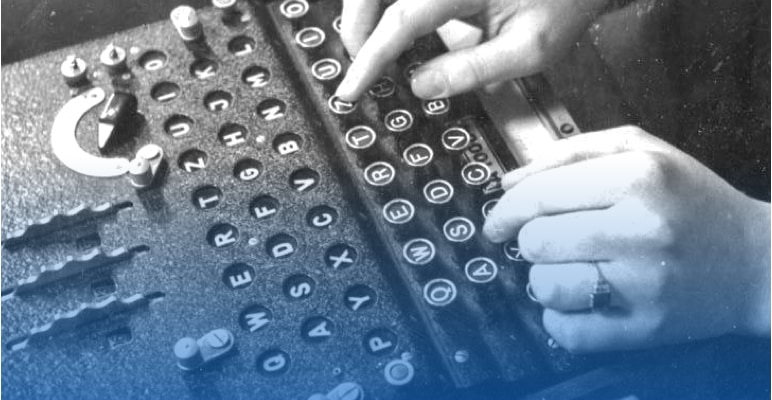
nav cryptologic history hands using engima machine

Preserving the Code of Our Past

From hidden messages to historic breakthroughs, the NCF keeps the stories of cryptology alive—honoring the people, events, and innovations that shaped modern intelligence.

Explore upcoming events from across the Foundation – See Calendar

About Us

About Us

About Us

Advancing cybersecurity awareness, education, and innovation for a safer digital world.

Our Team

Meet the leaders and visionaries driving the NCF's mission forward every day.

FAQs

Find quick answers about our mission, membership, and how to get involved.

Our History

From codebreakers to cyber defenders — preserving a legacy that shapes the future.

NCF Financial Data

Review audited reports and filings that reflect our commitment to transparency, accountability, and responsible stewardship.

Newsletter Archive

Browse past issues of our e-newsletter and explore our early years through issues of the Foundation’s original hard-copy newsletter, The Link.

Our Partnerships

Dedicated and talented organizations that have provided invaluable assistance to the NCF to help us achieve our goals. 

nav about us group of professionals in conversation

More Than a Mission — A Movement

The NCF brings together educators, experts, and enthusiasts who believe in building an informed, cyber-safe future.

Programs & Events

Programs & Events

All Programs

Explore all of the NCF's programs driving cyber awareness, education, and history forward.

Escape Room

Hands-on puzzle challenge: crack codes, solve clues, experience real-time cryptologic logic.

Convening to Act

Catalyzing strategic dialogue on emerging cyber & cryptologic challenges in partnership with NSA.

Cocktails & Codebreakers

A celebratory evening honoring cryptologic legacy, networking, and thought leadership.

Crypto Cup

A signature fundraiser merging sport and mission — advancing cryptologic education through golf.

Cryptologic History Symposium

An academic event that explores the role of cryptology across eras and its lasting influence on security, strategy, and society.

Student Ambassador Program

Catalyzing strategic dialogue on emerging cyber & cryptologic challnges in partnership with NSA

Cyber Saturday

A full-day, interactive event for youth and families to explore cybersecurity through play.

Cyber Feud

A live, fast paced competition where students test cyber knowledge in game show format.

Maryland History Day

Highlighting student research on cryptology's impact across Maryland's past.

nav programs and events three students learning together

Events That Build a Cyber-Safe Future

The NCF programs spark growth, foster collaboration, and make cybersecurity a shared mission across generations and industries.

Resources Code

Resources

Podcast Series

Listen to #CyberChats and Cyber Pulse — the NCF's two podcasts exploring stories, insights, and innovations shaping cybersecurity.

Cyber Games

Engaging students through interactive challenges that build real-world cybersecurity skills and teamwork.

Downloads

Access classroom-ready lessons, tools, and activities to teach cryptology, cybersecurity, and digital citizenship.

Insights & Updates

Explore thought leadership, event recaps, and the latest news from the world of cryptology and cyber education.

Outsmart Cyberthreats Collections

Clear, engaging resources that build foundational cyber safety skills through activities and practical guidance.

Cybersecurity Curriculum Guidelines

Guidelines that support creating cybersecurity-focused lessons and inspire students to pursue cyber careers.

How to Be Cyber Safe + Savvy — A Data Care Booklet for Adults

Clear, practical steps to protect their devices, data, and privacy from today's online threats.

nav resources two young students learning on laptop

Empowering the Next Generation of Cyber Thinkers

Through resources, stories, and shared knowledge, the NCF helps educators, professionals, and students strengthen our cyber future together.

Cryptologic History

Cryptologic History

Trailblazers

Discover the pioneers who broke barriers and paved the way for future generations in cryptology.

Historical Figures in Cryptology

Meet the brilliant minds whose work in codes and communication shaped global history.

Cryptologic Bytes

Dive into quick reads and fascinating facts that reveal hidden history of code communication.

Commemorate

Honor the people and achievements that advanced the art and science of cryptology.

Acquisitions Archive

Explore rare artifacts, documents, and exhibits preserved to tell the evolving story of cryptology.

NSA/CSS Cryptologic Hall of Honor

Celebrate individuals whose exceptional contributions strengthened our nation's intelligence security.

nav cryptologic history hands using engima machine

Preserving the Code of Our Past

From hidden messages to historic breakthroughs, the NCF keeps the stories of cryptology alive—honoring the people, events, and innovations that shaped modern intelligence.

Cryptologic History

Trailblazers

Discover the stories of those who broke barriers, advanced cryptology and cyber, and paved the way for future generations through their remarkable achievements.
Ralph W. Adams, Jr.

Ralph W. Adams, Jr.

Ralph W. Adams, Jr., a graduate of the University of Nebraska, served in the Army Security Agency in Vietnam as a linguist in 1961, and came to NSA in 1965. Widely recognized for his near-native language skills, he served multiple tours in Vietnam as a language analyst for NSA. Mr. Adams served in Vietnam also as a senior language advisor to both the U.S. Army and the Army of the Republic of Vietnam (ARVN). He was one of the final NSAers to escape before the fall of Saigon in 1975.

Over the next 20 years, Mr. Adams held positions of increasing responsibility at ...
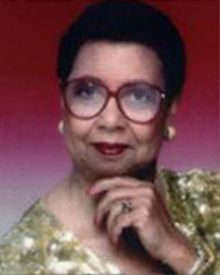
Lillie Berry

Lillie Berry

Ms. Lillie Berry began her career at Arlington Hall in 1956 as a clerk typist in the signals analysis unit. She quickly learned the terminology and pressed analysts to explain to her the concepts. After attending a signals analysis course and mastering a basic understanding of the subject, she was requested, in the early 1960s, to teach portions of the introductory material. She, thus, became the first African American woman in the Agency to give instruction in that discipline. In 1968, she marked another first when she became the first African American woman assigned ...
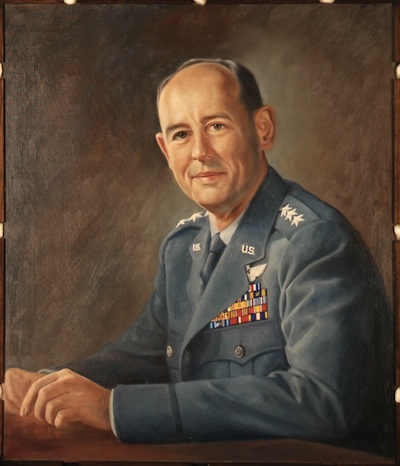
Lt. Gen Gordon A. Blake (USAF – Ret)

Lt. Gen Gordon A. Blake (USAF – Ret)

Gordon A. Blake was born in 1910. Upon graduation he was commissioned a second lieutenant in the Coast Artillery Corps and detailed as a student officer to pilot training. After completion of the primary and Advanced Flying School, he was transferred to the Air Corps and was assigned with a pursuit squadron at Barksdale Field L.A. (1933). Following the completion of the Communications Officer's Course he was assigned as communications instructor at the Air Corps Technical School (1934). He served as communication officer of the 18th Composite Wing, Hawaii (1939); ...
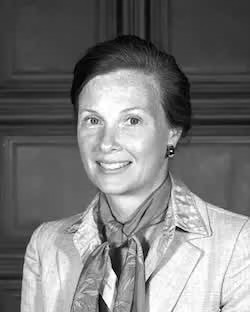
Dr. Sarah “Sally” Botsai

Dr. Sarah “Sally” Botsai

Sarah “Sally” Botsai started work at NSA in 1957 shortly after her college graduation. She continued her education eventually earning her Ph.D. in International Relations in 1972.

Dr. Botsai spent twelve years in Operations before she was selected as the first woman to serve as the NSA representative in the White House Situation Room. After her two-year tour in this position, she was asked to return as the Deputy Director of the White House Situation Room. She held this position until 1976. She was also the first NSA woman to attend the National War College from which she ...
Calvin Brown

Calvin Brown

Calvin Brown started in the National Security Agency in 1951 as a tabulating machine operator, but since he had completed drafting school, he soon transferred to a facilities management position. After Fort Meade was identified as the new Agency location, two people, Mr. Brown and his supervisor, developed the floor plan and move schedule for all the printers, sorters, collators, and card punch machines used by the machine processing unit. Mr. Brown managed the transportation of equipment, its proper placement in the new building, and later assisted in the design of ...
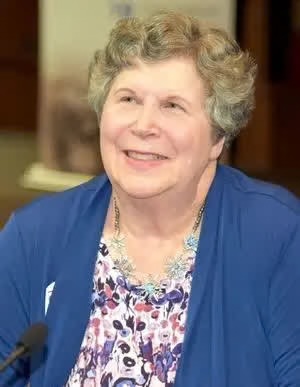
Eileen Buckholtz

Eileen Buckholtz

Eileen Buckholtz was one of the first people hired as a computer scientist by the National Security Agency. Known as one of the Agency’s Queens of Code – she helped bring graphical user interface systems (early word processors) to life. Eileen passed her passion along to new generations of computer scientists, working on the programming behind the first eReader. She is now penning STEM-themed children’s books.
Learn more about the Queens of Code.

Ann Caracristi

Ann Caracristi

Ann Caracristi came to work as a cryptanalyst with the Army Signal Intelligence Service in 1942. She helped pioneer the application of early computers in cryptanalysis and established a laboratory for studying new communications phenomena.

Her expertise and professionalism responding to tough intelligence problems brought her rapid advancement at NSA. In 1959, she was promoted to supergrade, and in 1975, she became the first woman at NSA to be promoted to GS-18. She was the first woman to be named NSA Deputy Director in 1980. Also in 1980, she ...
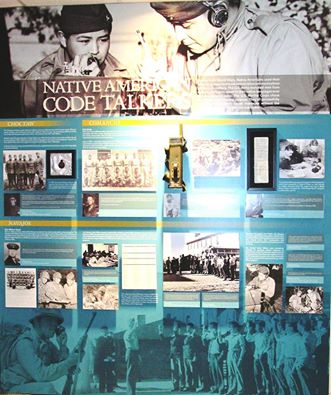
Native American Code Talkers

Native American Code Talkers

The Native American Code Talkers served in multiple theaters of war in both world wars. They served for love of country, adventure, economic, and other reasons. They were soldiers, marines, and sailors. They were patriots. They served as Code Talkers, saving thousands of lives by creating unique codes and baffling the enemy with secure voice communications. They served as infantryman and sailors, many earning the nation’s highest award for bravery, the Medal of Honor.

In November 2013, the Native American Code Talkers were the first group to be inducted (as a whole entity) into ...
World War I – The Original Code Talkers

World War I – The Original Code Talkers

When US military codes kept being broken by the Germans in WW1 a Native American tribe came to the rescue. They just spoke their own language - which baffled the enemy - and paved the way for other Native American "code talkers" in WW2.

It's an irony that probably didn't go unnoticed by Choctaw soldiers fighting in World War One. While the tribe's children were being whipped for speaking in their native tongue at schools back home in Oklahoma, on the battlefields of France the Native American language was the much-needed answer to a very big problem.

In the autumn of ...
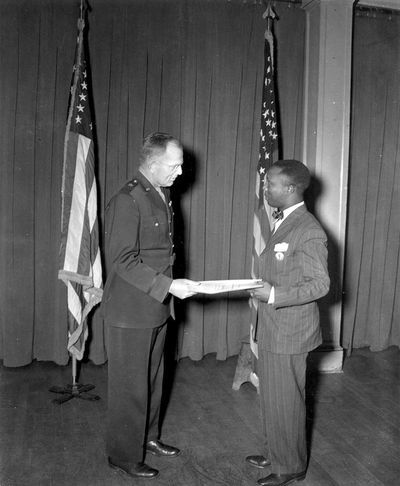
William D. Coffee

William D. Coffee

In April 1946, William D. Coffee was awarded the Commendation for Meritorious Civilian service for his wartime leadership in exploiting critical enciphered messages. During a time of harsh racial discrimination, he excelled and became the acting supervisor of a segregated office that made impressive contributions to the nation's cryptologic achievements.

Mr. Coffee was born in 1917 in Abington, Virginia. He studied English at Knoxville College in Tennessee. During the years of the Great Depression, from 1937-1940, he worked in the Civilian Conservation Corps. ...
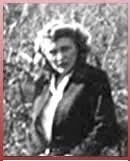
Wilma Davis

Wilma Davis

With a degree in mathematics and a Navy correspondence course on cryptology, Wilma Davis was hired to work in the Army's Signal Intelligence Service in the late 1930s. Her first assignment was with the Italian diplomatic codes, which she exploited until 1942 when she transferred to the Japanese problem. Within two years, she was the head of the department that solved and processed intercepted Japanese Army code messages. At the end of the war, she moved on to the Chinese team and then to the Venona Project trying to break Soviet messages.

Ms. Davis left the cryptologic field a ...
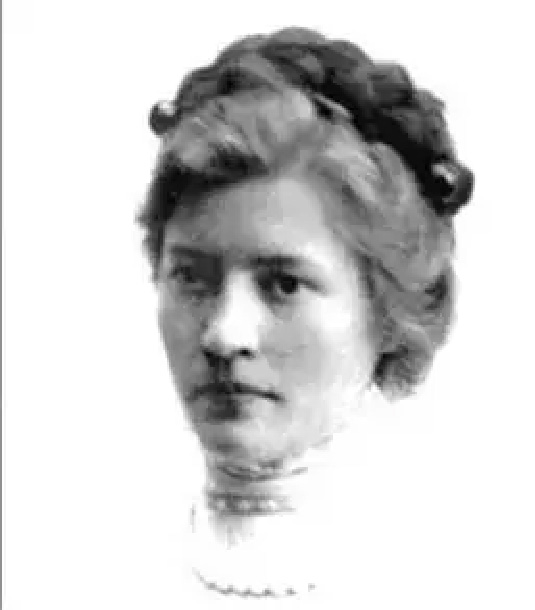
Agnes Meyer Driscoll

Agnes Meyer Driscoll

Agnes Meyer Driscoll held degrees in mathematics and physics, as well as proficiencies in English, French, German, Latin, and Japanese. She was a pioneer cryptologist and a Navy code breaker. One Navy admiral described her as "without peer as a cryptanalyst." From solving codes and breaking Japanese naval systems, to developing new cipher machines and encouraging the use of tabulating machines for cryptanaysis, her accomplishments are inspirational.

Ms. Driscoll's work as a navy cryptanalyst who broke a multitude of Japanese naval systems, as well as a ...

No results found.